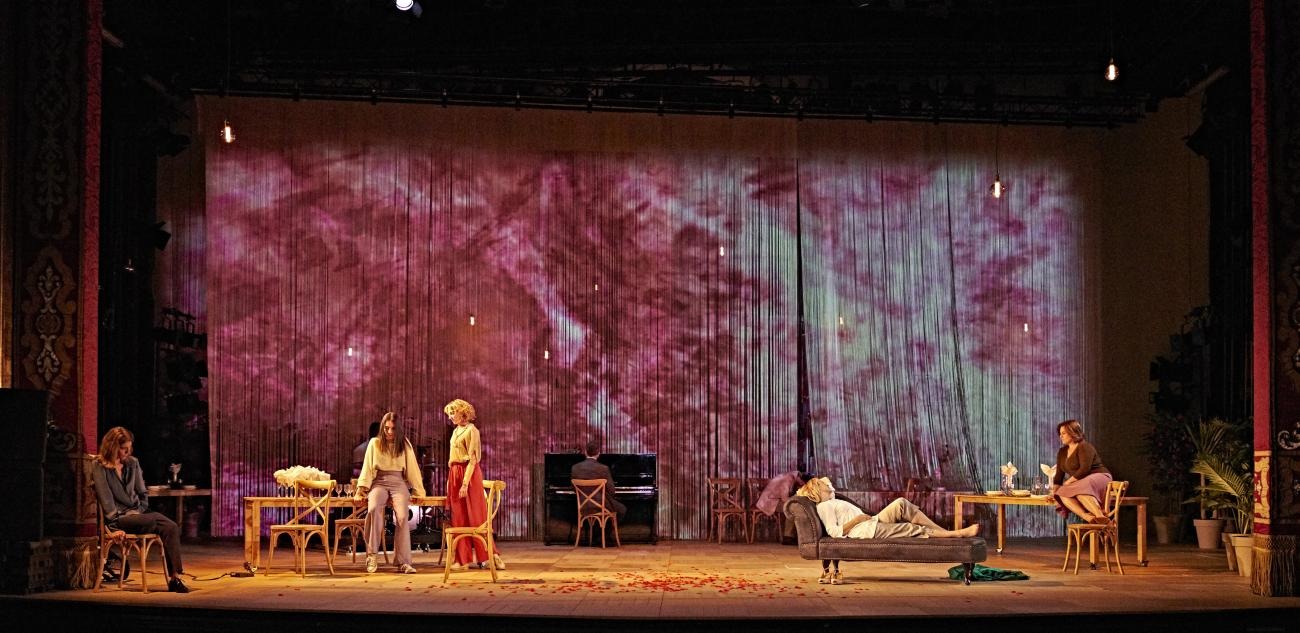
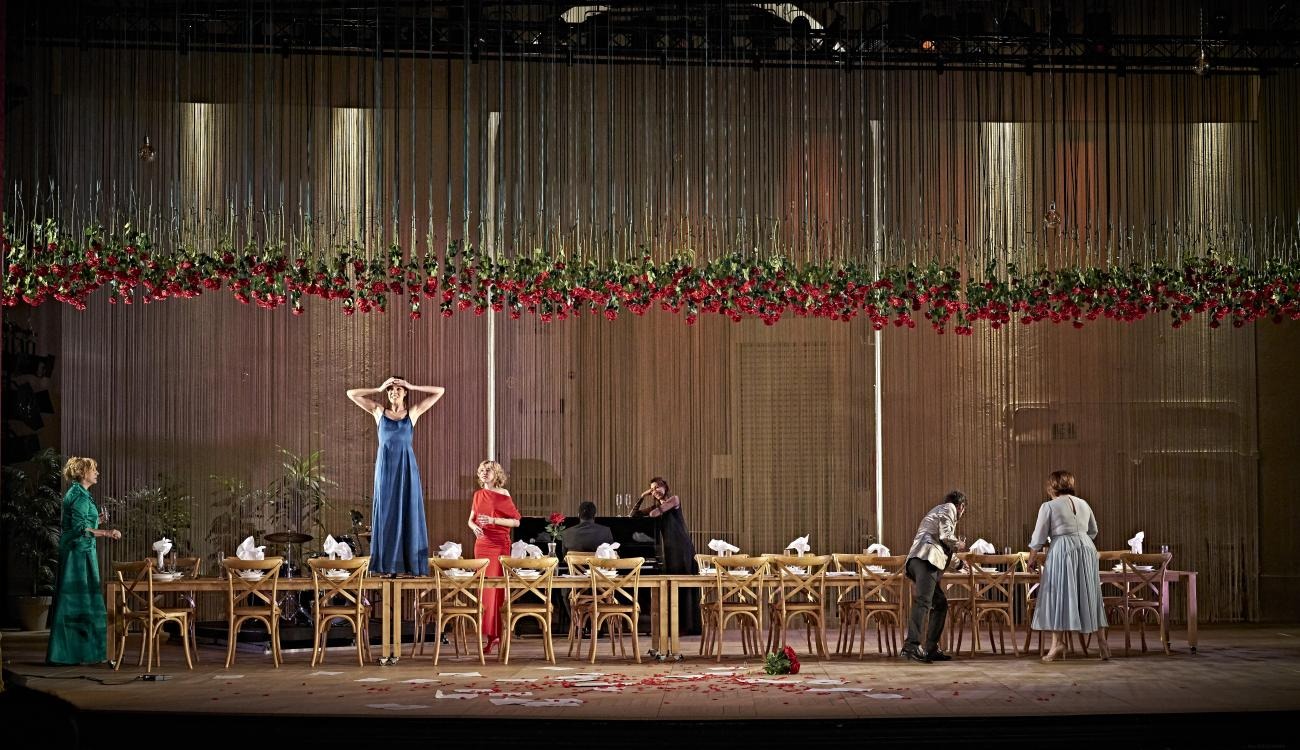
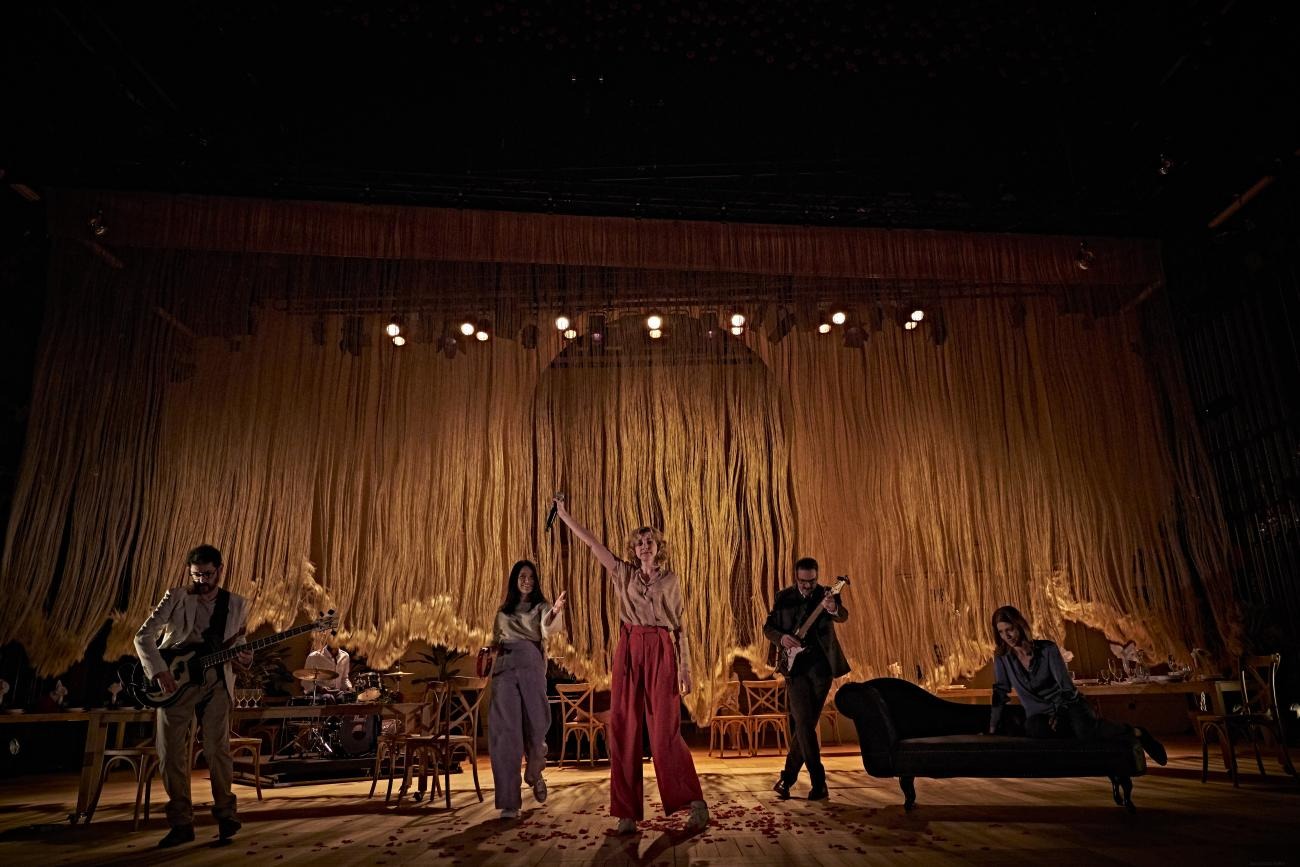
Mrs. Dalloway
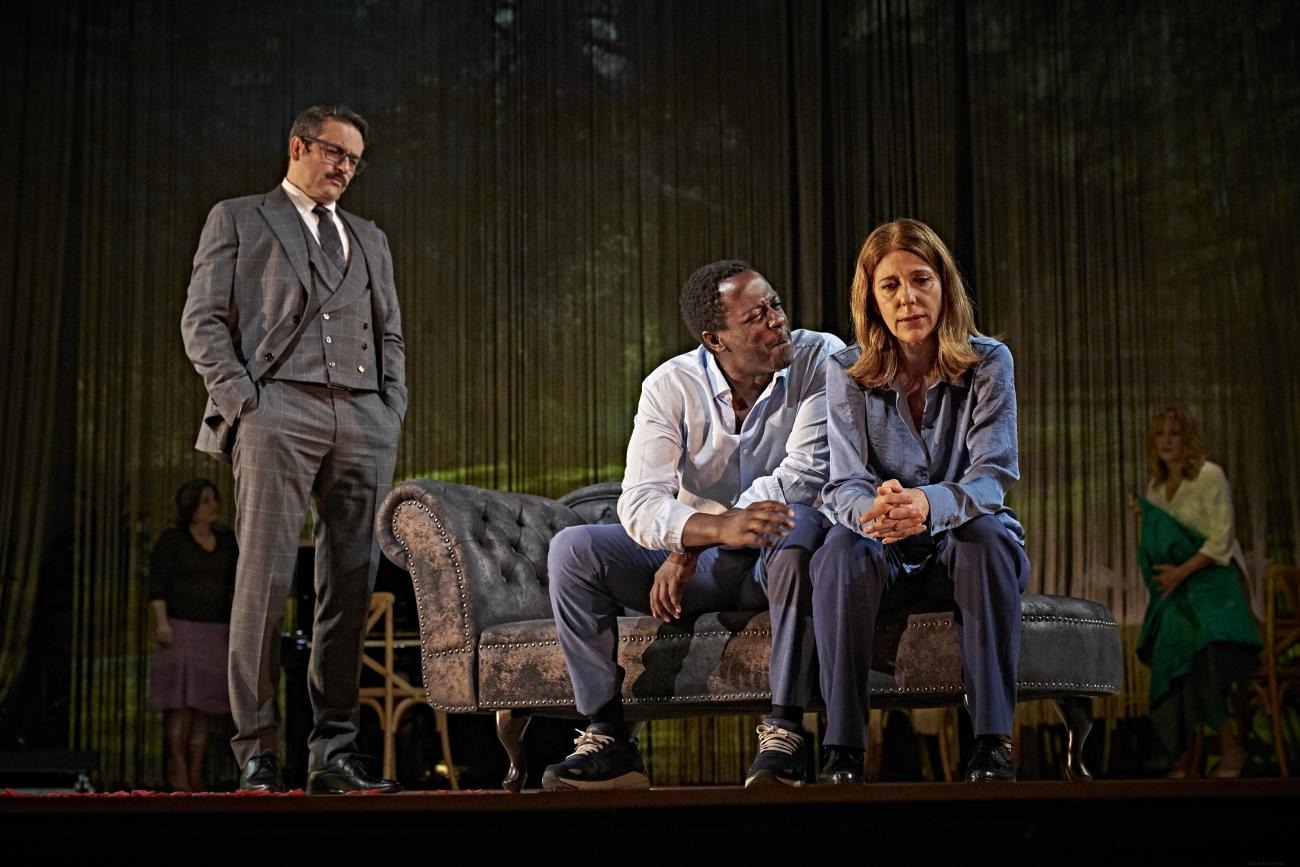
To give depth to the character Virginia resorts to the construction of memories, today used in series and some scripts. Everything happens in a single day, giving the feeling of living the plot in real time.
Various characters who were part of his life will come today to his memory and then to his house for the party. Virginia goes in and out of her mind leading us to the construction of a society that, coinciding with ours, is a time between wars. A society that is awakening to a new world that, at the same time, is being destroyed.
Clarissa is a superficial woman in appearance and dependent, immersed in an insubstantial life that has survived on the basis of not looking back. A woman, like so many others, dedicated to making others happy, who has made decisions in her life without taking into account what she really wanted, fulfilling the requirements of a wonderful woman admired by the whole world. Through her, the author emphasizes the role of women and tells us about sexual and economic repression.
Woolf talks about feminism, mercantilism, bisexuality, medicine… And the existential void that is probably what most connects this novel to our present day.
He also gives us his vision of suicide which, contrary to the image that is usually given to us of Virginia Woolf, is no longer seen as a tragedy and becomes a necessary condition for others to value life. He does it through the person who commits suicide. “Life itself fits into a single instant for which it is even possible to die.”
Angélica’s life is reduced to taking the pills the doctor prescribes to silence the voice that haunts her every day, they don’t let her write so she doesn’t run into her ghosts. She tolerates that horrible routine to satisfy her husband. Humanity condemns it to madness for not being able to adapt to the scheme of being human that society has built and that doctors guard. With death she will manage to free herself and the people who cling to her. “It’s possible to die, that’s what we do, that’s what people do. Being alive for each other”.
Angélica’s suicide provokes a revelation in Clarissa: “Life is everywhere and we are here. She has died, but we are still alive.”