Las dos bandoleras
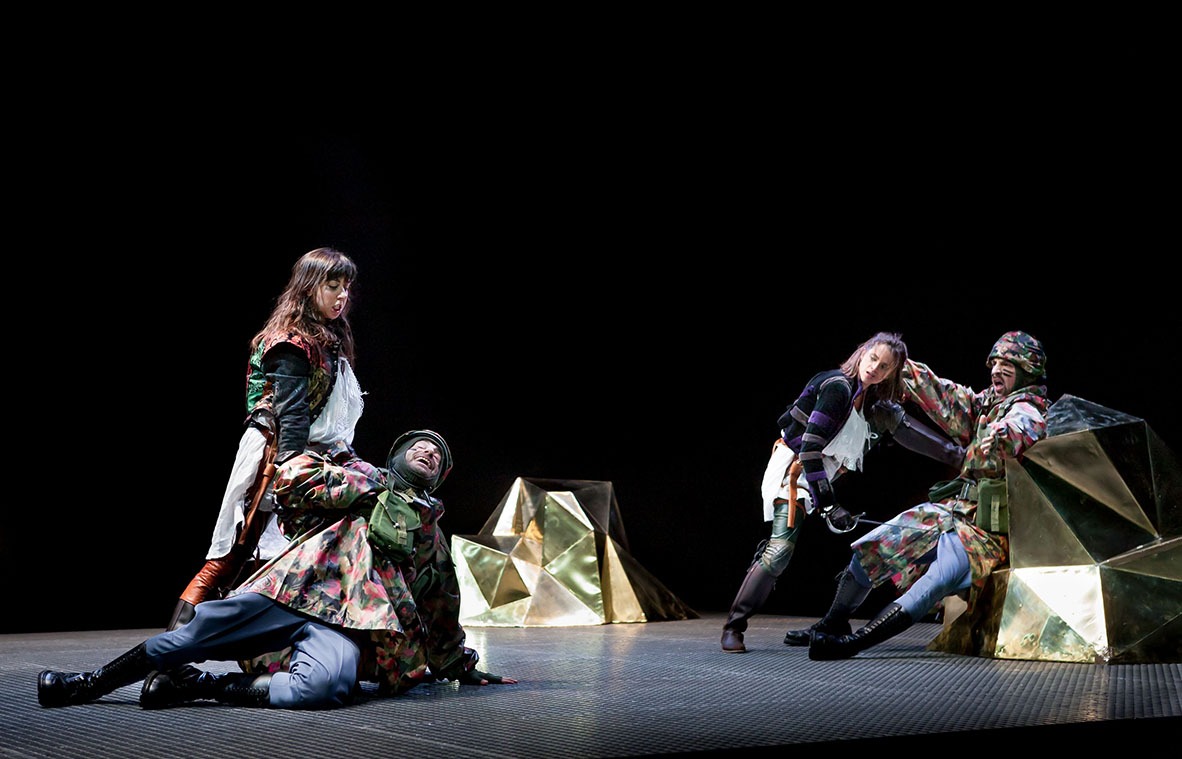
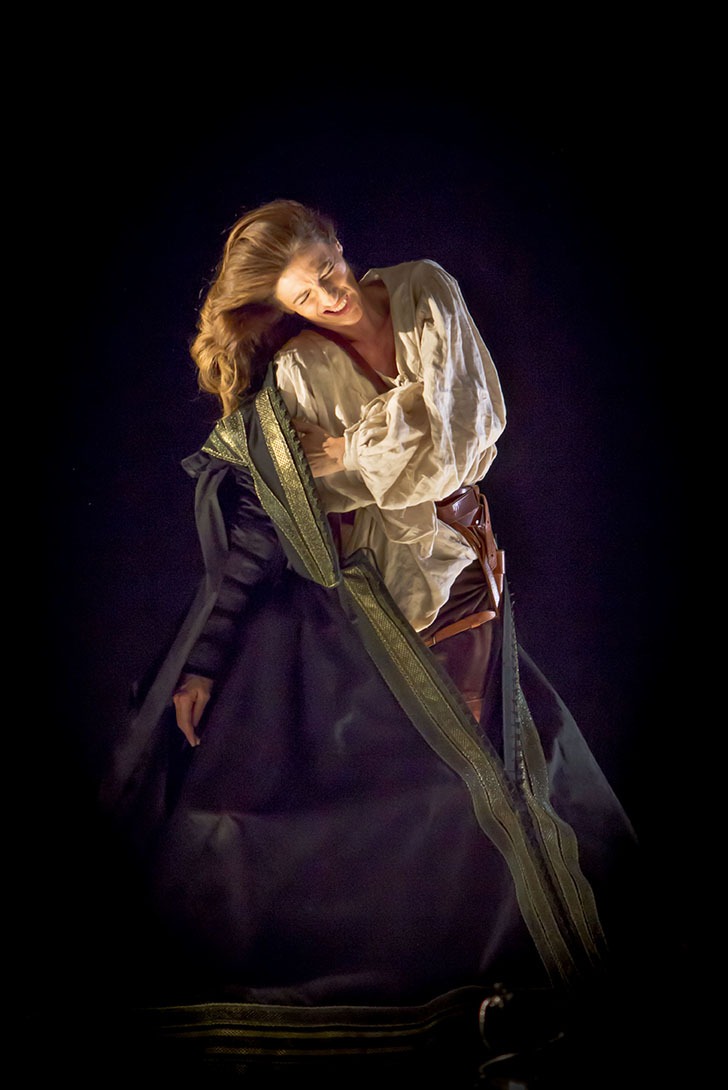
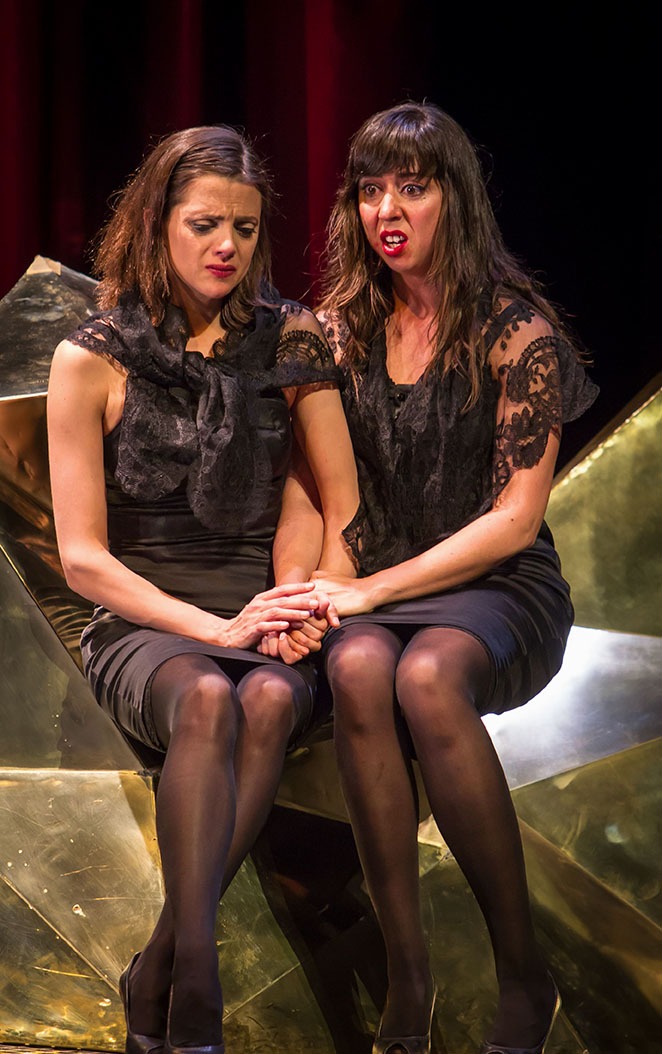
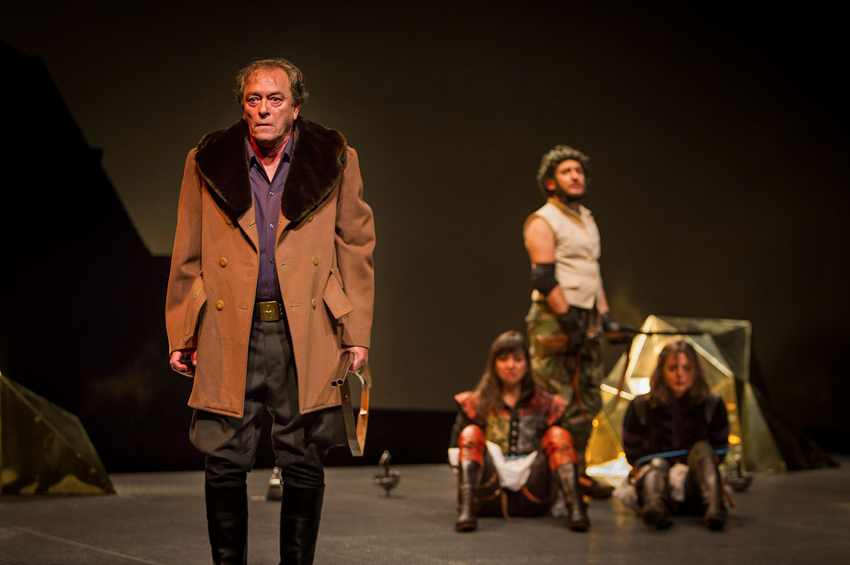
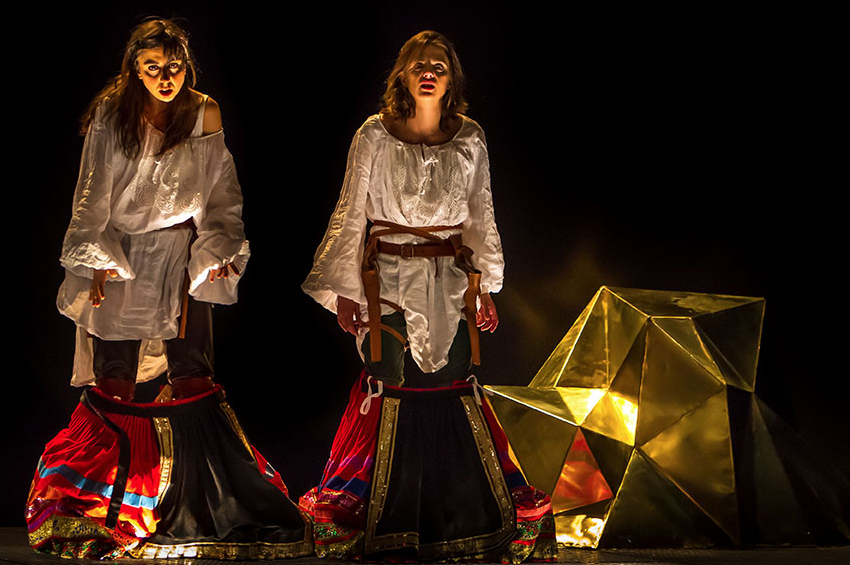
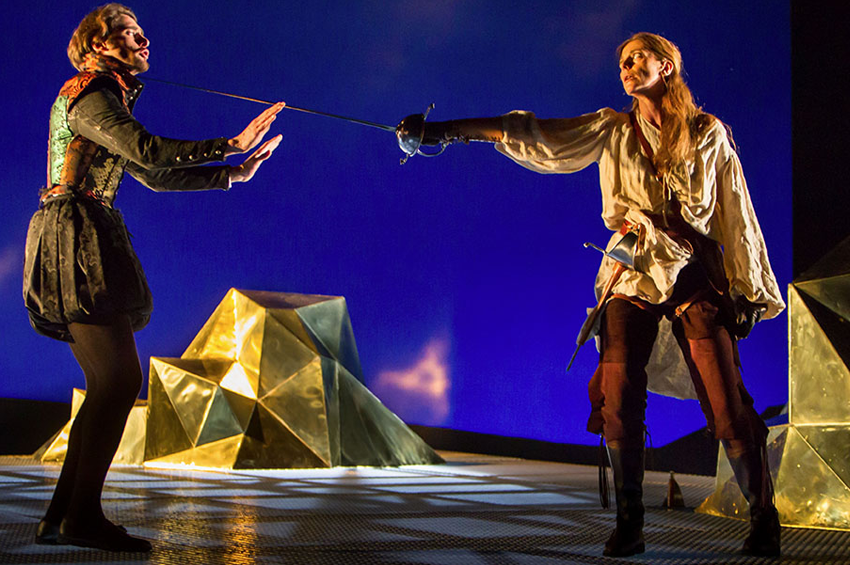
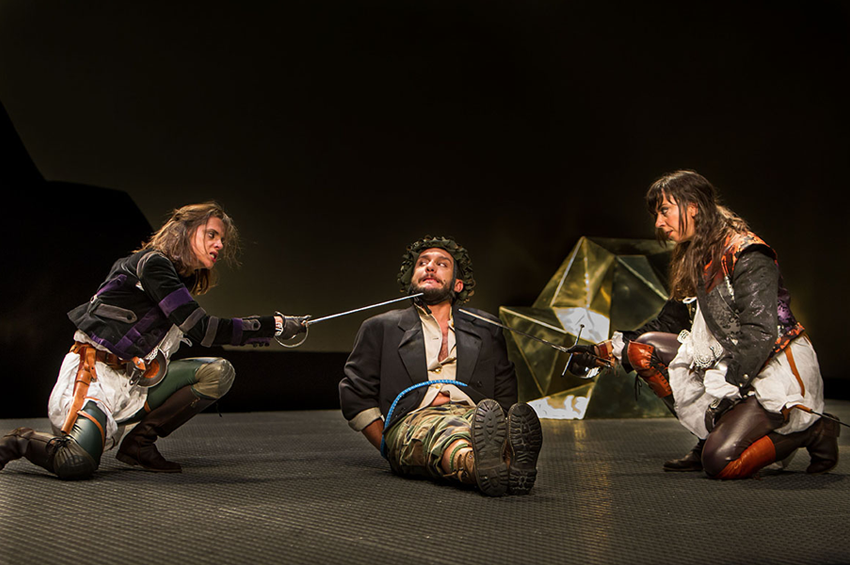
While the men are only concerned with waging war and fighting for their homeland against the Moors, the women expect their parents to decide for them what their lives will be like, who they marry, and when. But Teresa and Inés are much more active than all that and have already decided who they want to marry and how, having already given their love to two men they have fallen in love with. While they are free from the war, the men take advantage of this circumstance to be with them, but when they find that they demand certain behavior from them, they run away. The two women, deceived by rage and reason, decide to become bandits and kill every man who wanders into the mountains they have chosen to carry out their revenge.
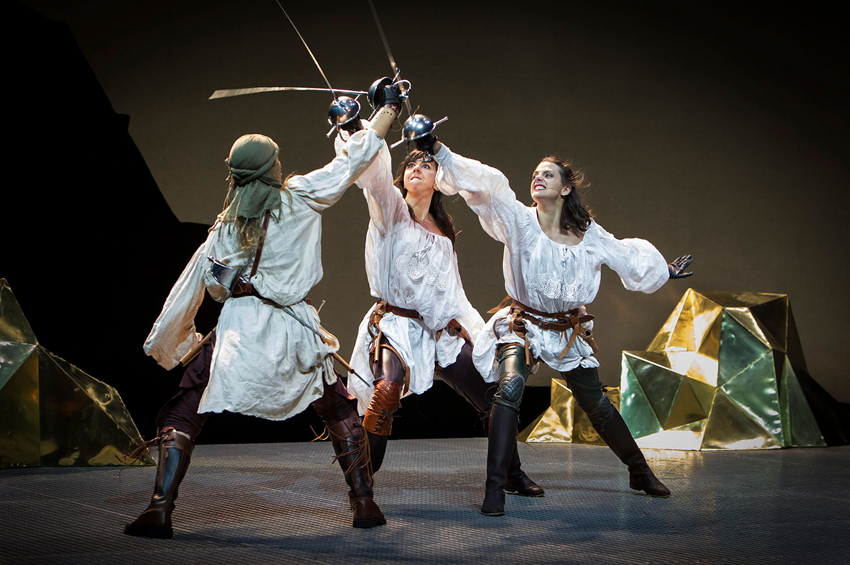
But in society, it is they who must be judged even if they are the ones who have been dishonored.
The mountain women have often been portrayed as men-killing, bandit-wielding women to disfigure them, but in reality, banditry has always been a universal sociological phenomenon, the product of factors related to poverty and injustice. Banditry was the result of certain moments that fostered rebellion as the only response to a society that only defended the interests of a select few, and in this case, men.
Our two bandits, though there are many more, are neither terrible, nor deformed, nor aggressive. They are simply angry at having been insulted and deceived, and have no chance of restoring their “honor.” So the revenge that is the only avenue their environment offers allows them to be clever, funny, and fills them with life as much as it lifts them from their dashed dreams.
And, in addition, there is a beautiful thing: their father, who must punish them because the law so orders, breaks down inside when he does so and has enormous contradictions in one of the best scenes of the play.
Lope’s verse is wonderful, lively, organic, and rhythmic. It makes the text flow into the hearts of the characters and creates the necessary architecture for it to emerge in all its grandeur.
Carme Portaceli – Marc Rosich
Author Lope de Vega
Written by Marc Rosich – Carme Portaceli
Direction Carme Portaceli
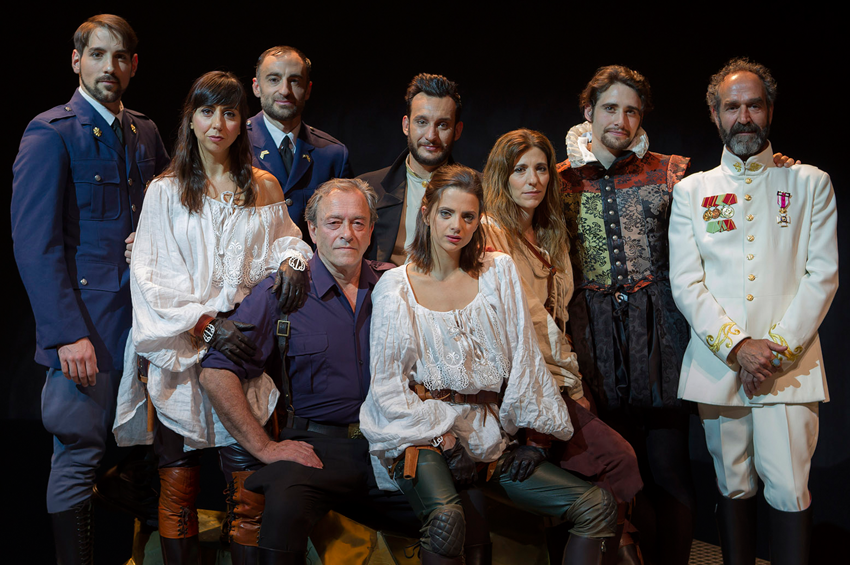
Performers Helio Pedregal – Carmen Ruiz – Macarena Gómez – Gabriela Flores / Lucía Barrado – Llorenç González – David Fernández “Fabu” – David Luque – Álex Larumbe – Albert Pérez / Carlos Martos
Scenography: Paco Azón
Costumes: Antonio Belart
Lighting Maria Domènech
Sound design: Jordi Collet “Sila”
Verse coach: Gabriel Garbisu
Fencing master: Jesús Esperanza
Stage combat: Kike Inchausti
Graphic design: FEI – Pedro Chamizo
Assistant director: Paula Mariscal
Costume assistants: Eduardo de la Fuente – Carlota Ricard
Executive production: B. Torres for FEI – INTERNATIONAL SCENIC FACTORY
Press: María Díaz
Thanks to: Ferran Carvajal – Luis Crespo
A co-production of
National Classical Theatre Company
FEI – International Scenic Factory
With the support of
Department – Catalan Institute of Cultural Enterprises ICEC
Barcelona City Council – Barcelona Institute of Culture ICUB