Frankenstein's mother
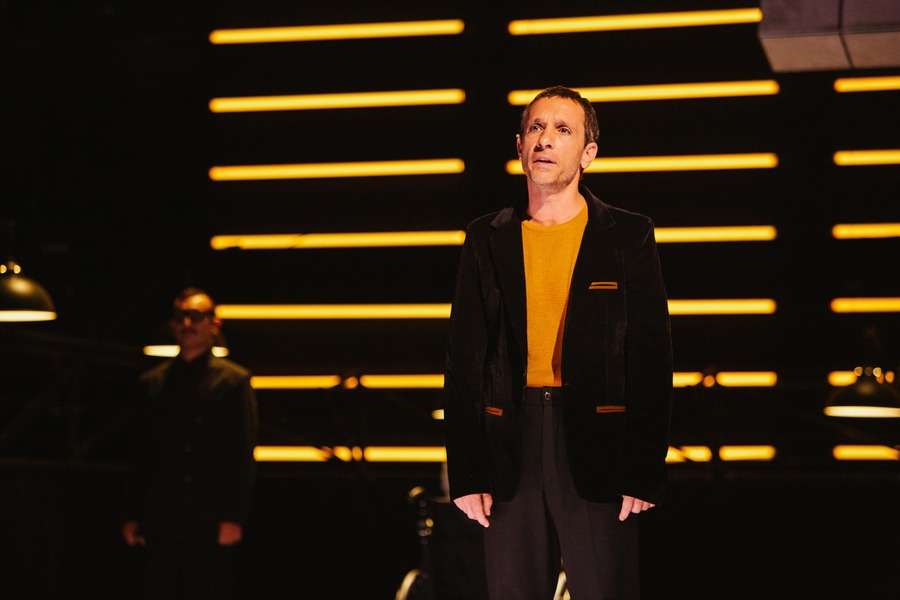
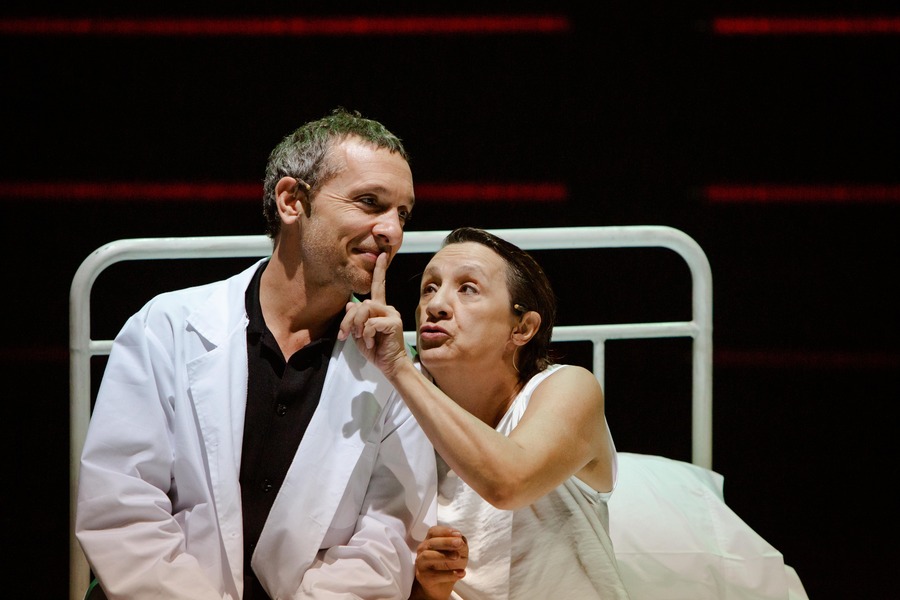
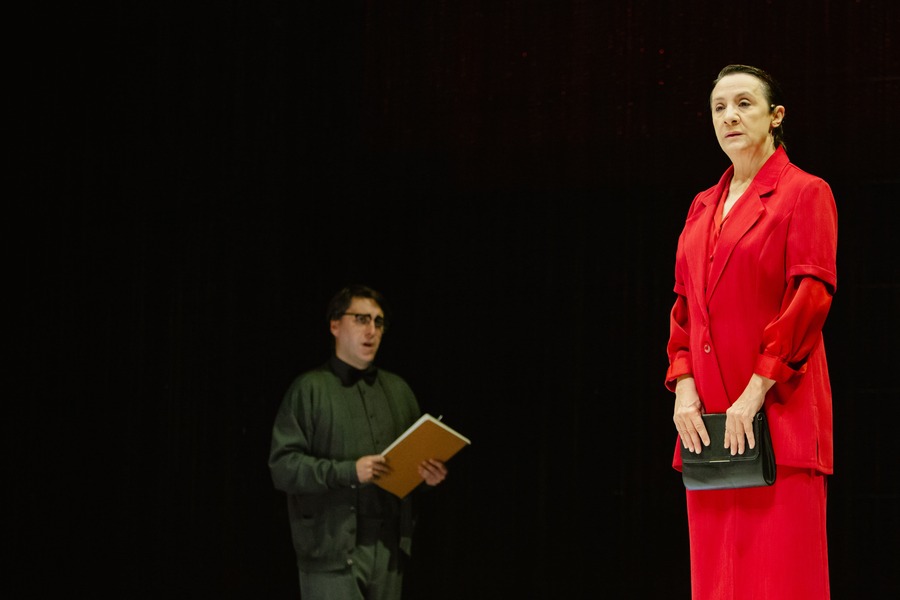
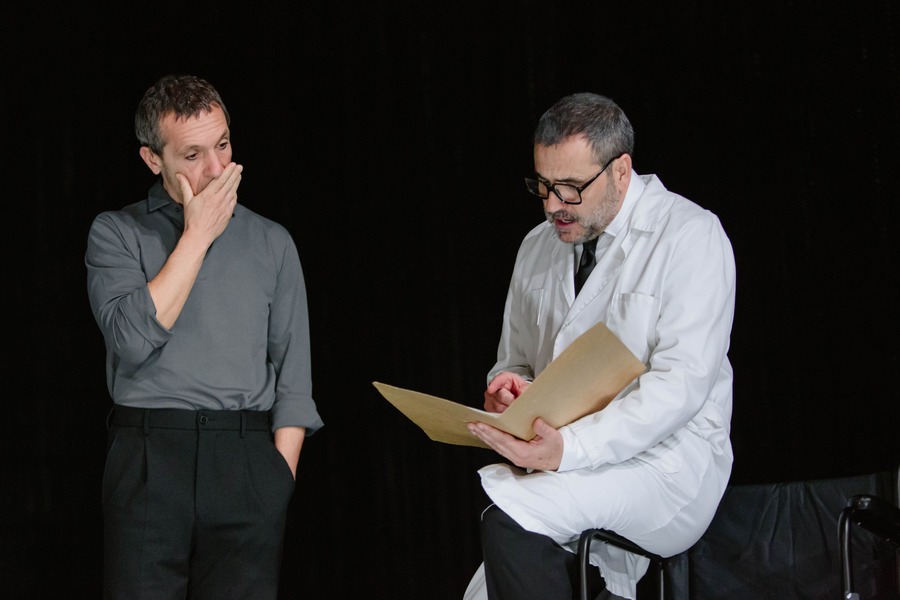
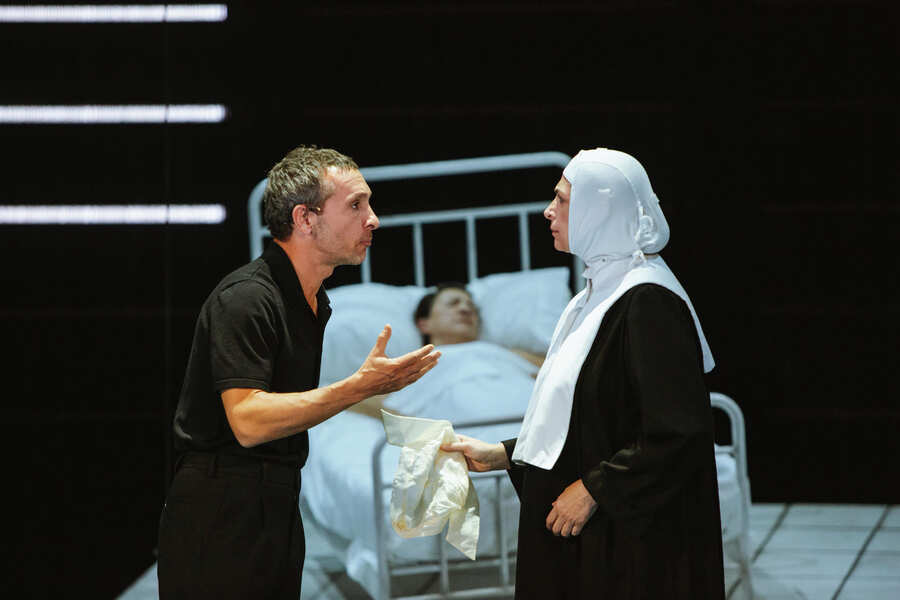
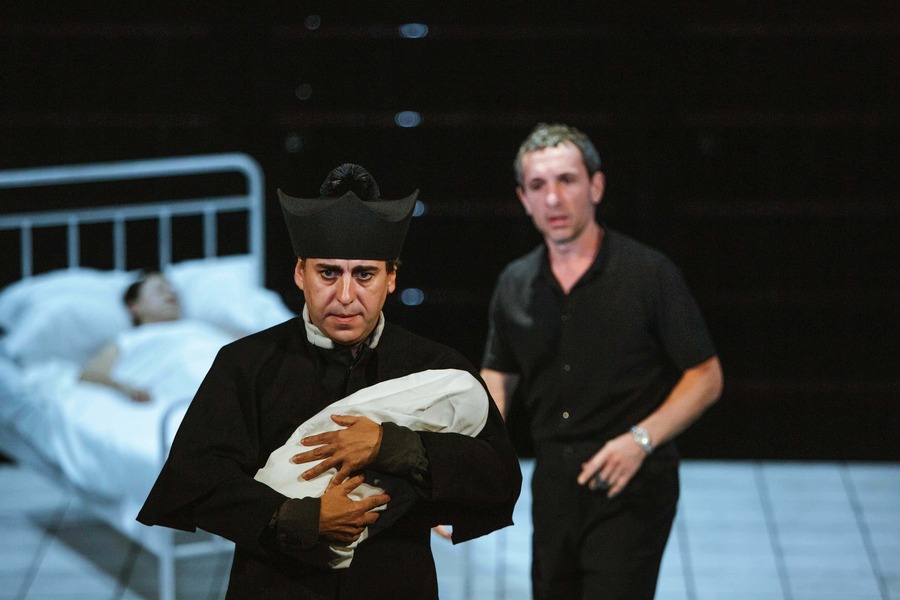
The portrait of a country more Catholic than Catholics and that is always right 1954. Germán Velázquez returns to Spain from his exile in Switzerland, where he has spent more than half of his life, to work in the women’s asylum in Ciempozuelos. There he meets Aurora Rodríguez Carballeira, a paranoid, eugenic, intelligent, brilliant parricide, whom he met in his father’s clinic at the age of 13 and who fascinated him to the point of becoming a psychiatrist. And he also finds himself with a country that he no longer recognizes: the roundness of the sun, the humiliated heads of the women, other flags, other names in the streets, fear, silence…
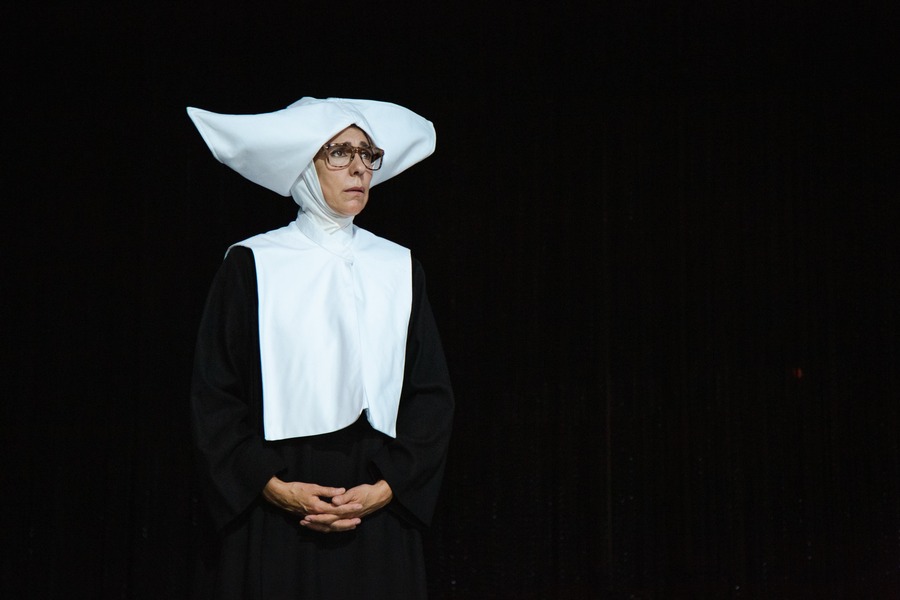
A pact with Almudena Grandes herself led us to adapt this novel, the fifth of the Episodios de una guerra interminable, set in the 1950s during Franco’s regime, to a women’s asylum, the portrait of a country where social and ideological differences are what determine human relationships. The Mother of Frankenstein is an extraordinary novel for very different reasons. The first: because the portrait of Spain in the 1950s seen by someone who was educated, studied and grew up outside this country is fantastic. Everything that is normal in any other context happens here in a peculiar way and loaded with an always twisted intention, and this is what happens to Germán when he arrives at the Ciempozuelos women’s asylum. Oh my, everything you need to think about before talking to anyone, especially with a person of the opposite sex!
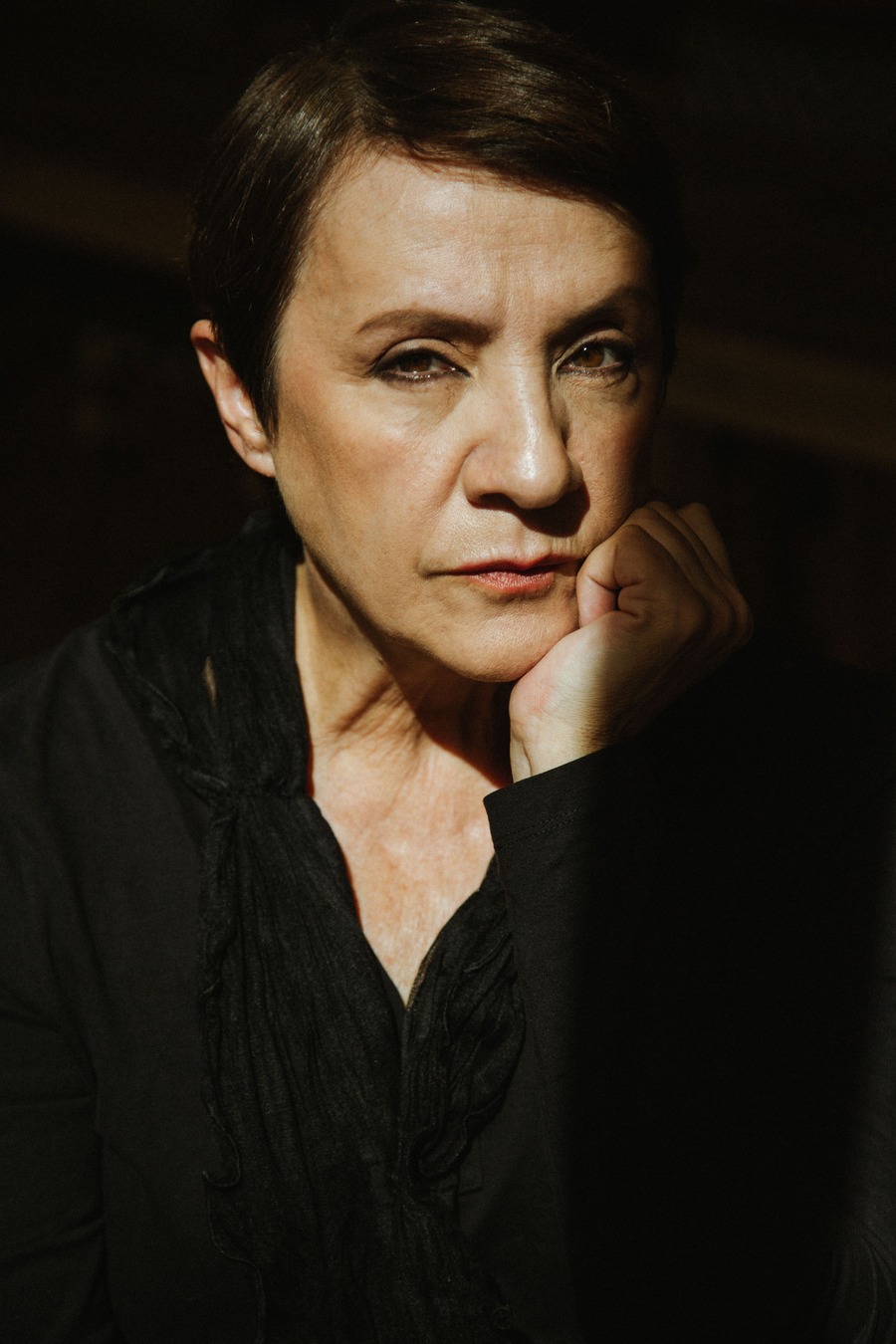
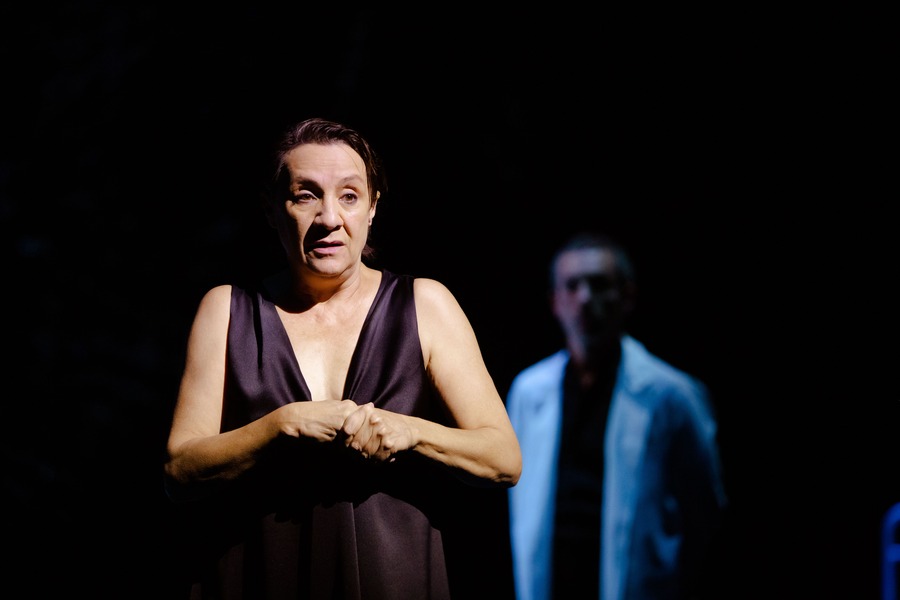
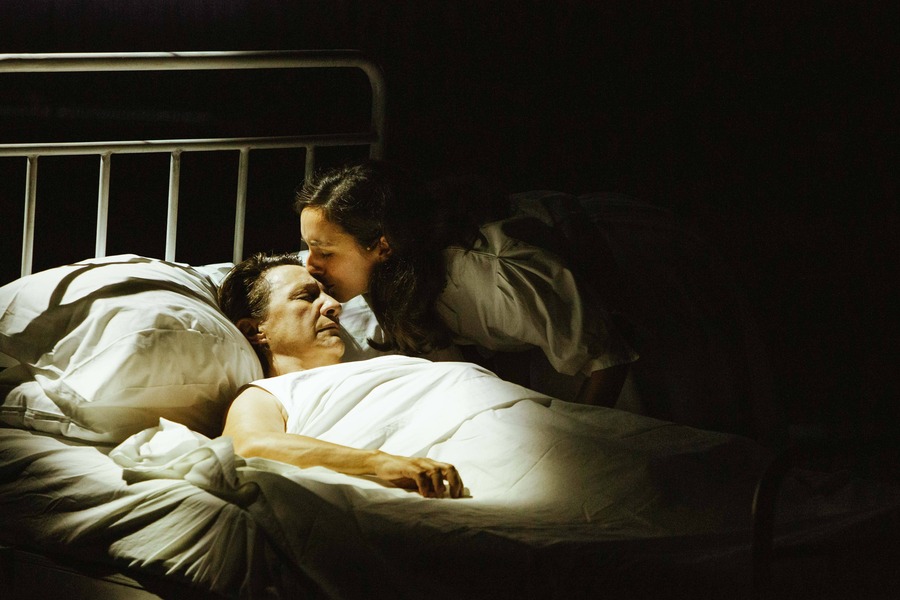
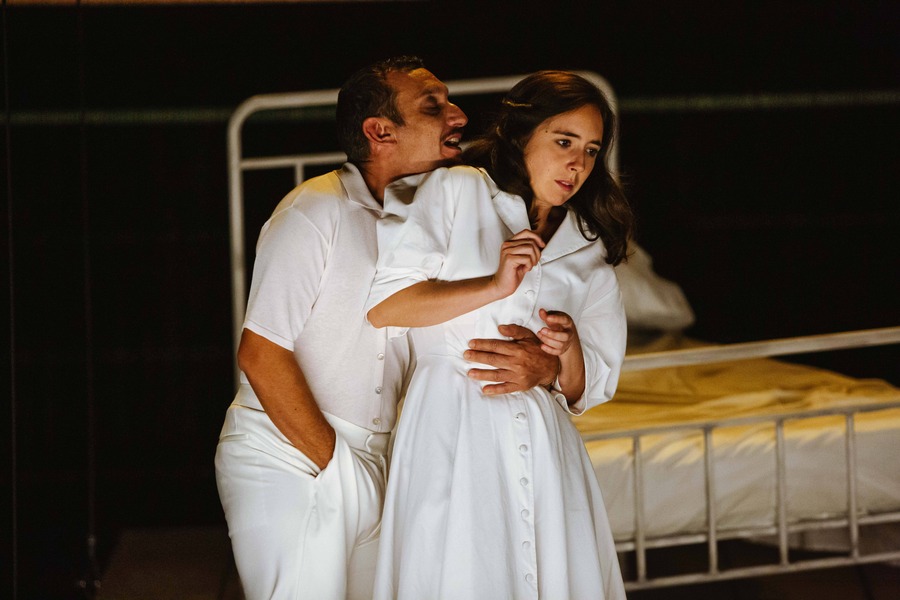
Anna needs to feel alive, she needs to love and be loved, she cannot stop being who she is, wanting to live: “We have this desire imprinted on our soul.” Another reason: because seeing everything that happens in this asylum and everything that is told in the novel, linked to the most intimate stories of the characters, we realize that no one had ever explained it to us before, they had never told us the real story of the 1950s of our dictatorship, we had never been able to know where we come from and why our behavior is what it is and not another.
Another reason is this impressive character, Doña Aurora Rodríguez Carballeira, the murderer of Hildegard (his gifted daughter whom he murdered because she had created her, and therefore she had to destroy her), a brilliant, intelligent woman, who believes herself superior to others, eugenicist, metaphor for the country at that moment in history, of a country more Catholic than the Catholics themselves and purer than the pure, which was always right and which imposed itself by any means. And a country closed with lock and bolt. We have tried to be faithful to the text of Almudena because this is the only way to understand it and give it the greatness it has.
Carme Portaceli Roig
Written by Almudena Grandes
Directed by Carme Portaceli
Adapted by Anna Maria Ricart Codina
Stage space Paco Azorín
Alessandro Arcangeli
Lighting David Picazo (AAI)
Costume Carlota Ferrer
Choreography and stage movement Ferran Carvajal
Sound space and music Jordi Collet
Audiovisuals Miquel Àngel Raió
Sound Carles Gómez
Assistant director Montse Tixé
Lighting assistant Daniel Checa
Costume assistant María García Concha
Photography Geraldine Leloutre
Video Bárbara Sánchez Palomero
Editorial Almudena Grandes Tusquets Editores
Performers: Ferran Carvajal, Jordi Collet, Pablo Derqui, David Fernández